









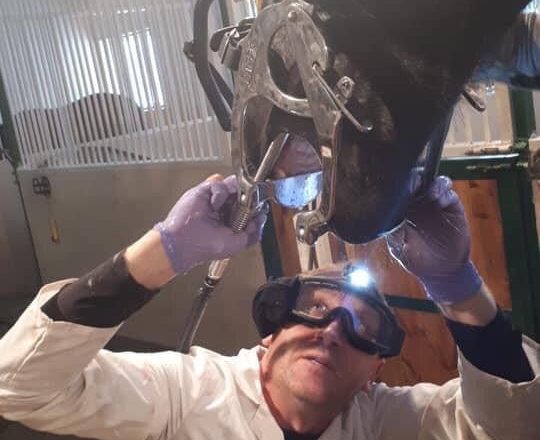
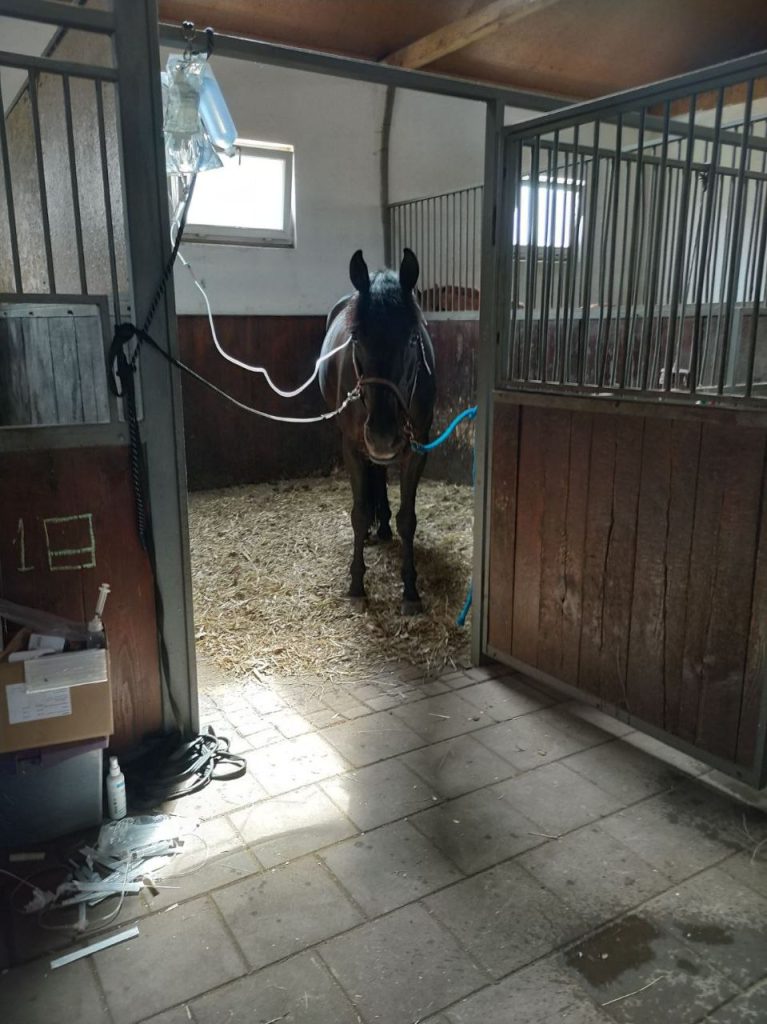
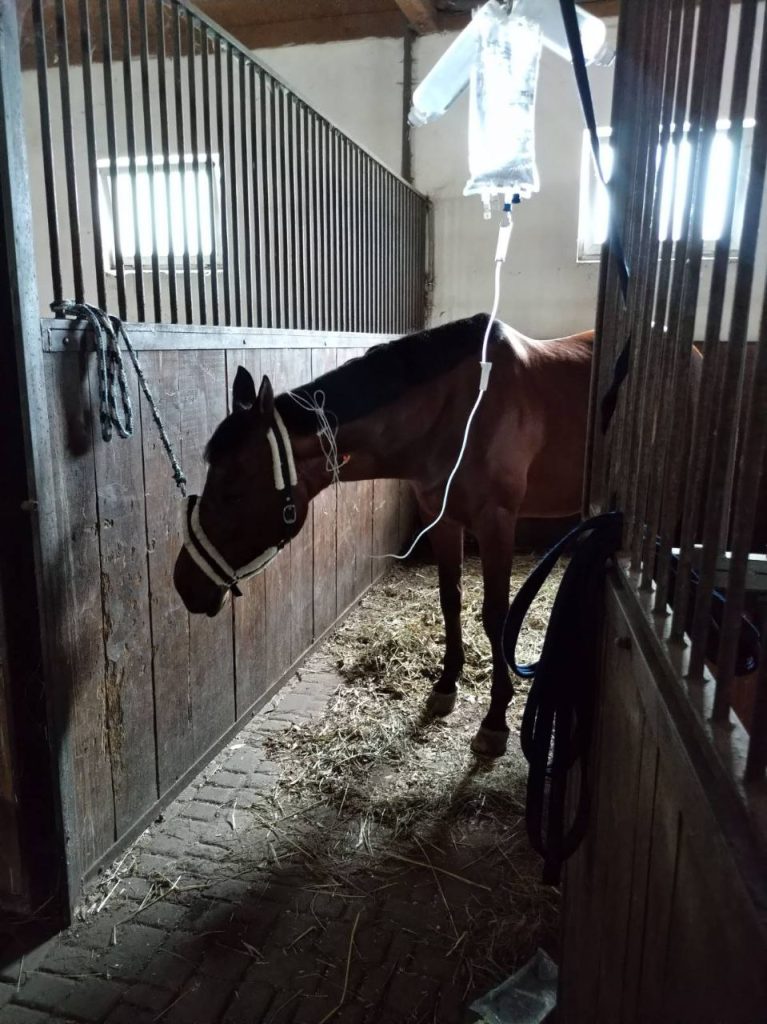
The health of horses is getting worse over time due to the need for regular relocations, restricted food intake and stress due to the war environment. An equine veterinary survey in Ukraine shows that the main need to help Ukrainian horses, after food and vets medical supply, is portable diagnostic equipment and mobile clinics. In May-June 2022, the Ukrainian Equestrian Federation Charity Foundation (UEF-CF) outreached almost all practicing Ukrainian equine veterinarians to get a professional overview of the situation with horses´ welfare in different regions and map the humanitarian aid needs for equine vet supplies and equipment.
Restricted food intake, risk of starvation and colic due to poor feed quality and inappropriate nutrition, wounds, injuries, stress due to war environment, and relocation still remains among most commonly mentioned challenges.
The survey identified 4 major problems faced by veterinarians. These problems are not only related to the lack of medicines and medical equipment, but also to the loss of money income for horse owners.
- Lack of medicines, including painkillers, anesthetics, sedatives, antibiotics, anti-inflammatory drugs etc. Sometimes drugs are available but horse owners can’t pay for the service.
- Qualified professionals need equipment, including portable x-rays, ultrasound, endoscope machines, etc.
- No equine mobile hospitals to provide emergency help to the horses on recently liberated territories.
- Many horse owners have no resources to pay vets for their service.
The most frequently mentioned problem remains the shortage of medicines. With the help of international veterinary organizations, horses in Ukraine receive a lot of help with basic veterinary medicine. Still, this medicine is quickly spent due to the poor condition of the horses and the need for help stays sharp. It is also connected with the fact that horse owners are losing their jobs and money income. This directly affects horses’ welfare. The war continues and every day the situation is getting worse.
Second most mentioned problem experts highlight the lack of a basic set of diagnostic equipment for most veterinarians — x-ray, ultrasound, endoscope machines, etc. Often they have to transfer the same device among each other across the country. This greatly affects the opportunity to make a correct diagnosis in time due to the weakened condition of the horses.
Find out more here
Share this:

